

Municipal Utilities
MMUA represents municipal electric utilities, gas utilities, water utilities, wastewater utilities, and telecommunications utilities such as broadband and cable. There are 120 municipal electric and 33 municipal gas utilities throughout Minnesota (some cities with municipal electric utilities also operate municipal gas utilities; other cities operate a gas utility but not an electric utility).
By far the largest municipal electric utility is Rochester, which serves approximately 60,000 customers. The next largest municipal utilities, Shakopee and Moorhead, are much smaller, each serving approximately 20,500 customers.
Of Minnesota's municipal utilities, 81 percent of have fewer than 5,000 customers and about 15 percent have fewer than 500 customers.
 The average municipal electric utility has fewer than 3,400 customers. The median municipal electric utility has approximately 1,360 customers. The smallest municipal electric is tiny Nielsville, with just 48 customers.
 The largest municipal gas utility is Duluth, which serves a city of approximately 87,500. The median municipal gas utility, however, operates in a city of approximately 1,250.
While no new municipal electric utility has been formed since 1969, several municipal gas utilities have formed in recent decades. The most recent municipal gas utilities formed are Brownton (2013) and Battle Lake (approved by voters in 2012 and bonds sold; construction started in 2014).

Municipal utilities are governed by the city council or appointed utility commission. Capital is raised through operating revenues or sale of tax-exempt bonds. There are 120 municipal electric utilities in the state, and they serve approximately 404,200 customers. Regulation is largely through the local council or commission, which helps keep municipal utilities centered on the needs and desires of their local community. Various safety and service issues are regulated by the state Public Utilities Commission (PUC) or federal government. Municipals also occasionally address wholesale power and transmission transactions at the Federal Energy Regulatory Commission.
 Municipal utilities are an important, contemporary American institution. From small towns to big cities, wherever they exist, they are an expression of the American ideal of local people working together to meet local needs. It is an expression of the local control that is at the heart of our democratic system.
Municipal utilities are a strong competitive force that provides a "yardstick" for consumers and regulators to measure the performance and rates of private companies that provide similar services, especially in the electric, gas, broadband, and cable industries. This continuous competition helps all consumers, not just those served by public power.
However, a public power utility has many distinct characteristics that benefit the consumers of the individual community it serves.
 Municipal utilities offer energy services tailored to local needs. These services include construction and maintenance of municipal water pumping, street lighting, and heating assistance programs to a wide range of energy efficiency and conservation projects.
Minnesota municipal utilities fostered the first commercial wind electric generating plant in Minnesota and have undertaken numerous renewable energy initiatives.
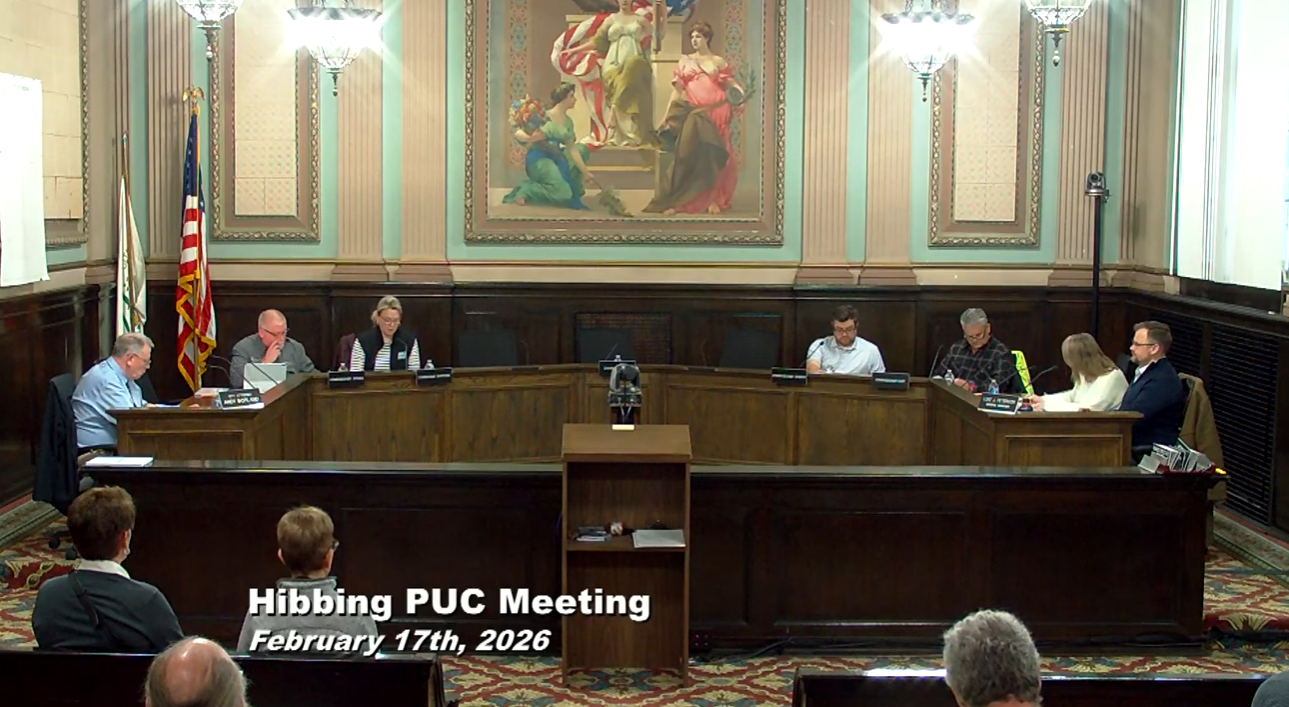 Municipal utilities are governed either by a local utility commission or by a city council. Governance of municipal electric utilities in Minnesota is nearly evenly split between these two methods. When a local utility commission governs municipal utilities, the city council generally appoints commissioners.
 Municipals are subject to all state laws governing public bodies, including the Data Practices Act, Open Meeting Law, public bidding laws, and government ethics laws. No other utility invites as much public input or operates as openly and democratically. Open, accessible governance is one reason municipals are also known as "public power" utilities.
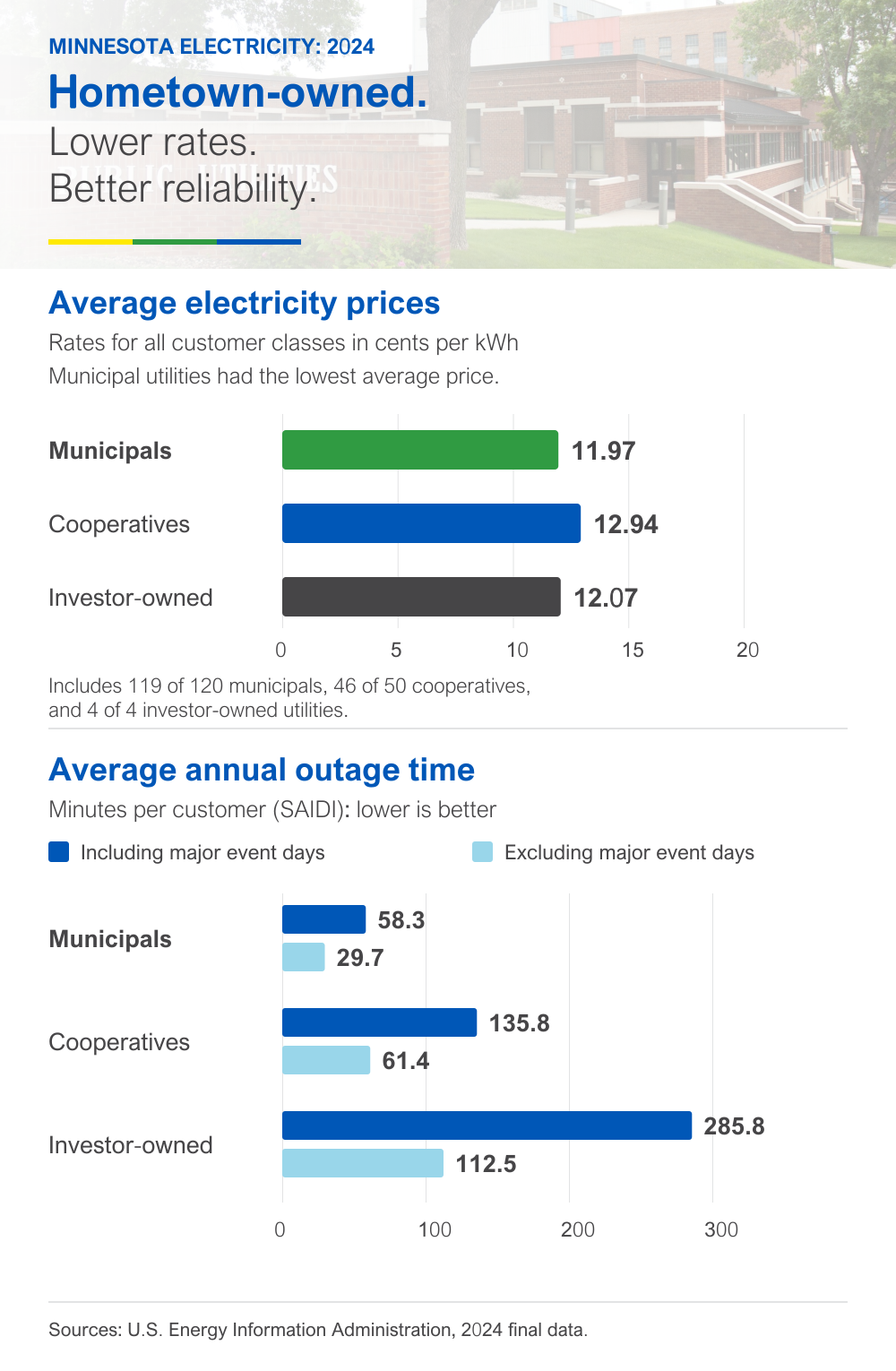
 In addition to reliable, competitively priced power, municipal utilities also return money to the city general fund. This defrays a portion of city property taxes.
 In many cities, municipal utilities contribute financially to local development efforts, provide free or discounted service to the city, and contribute time, equipment, and materials to city projects.
Allowing a municipal electric utility to serve throughout the city keeps all citizens on equal footing as far as taxes and electric rates are concerned, and thus helps prevent local political problems.