OnSite Partners: Helping Minnesota municipalities de-risk their energy future
When Minnesota municipalities consider adding solar arrays, generators, or battery storage, two big questions often arise: how will it be paid for, and who will manage it? For many communities, the answer could be OnSite Partners.
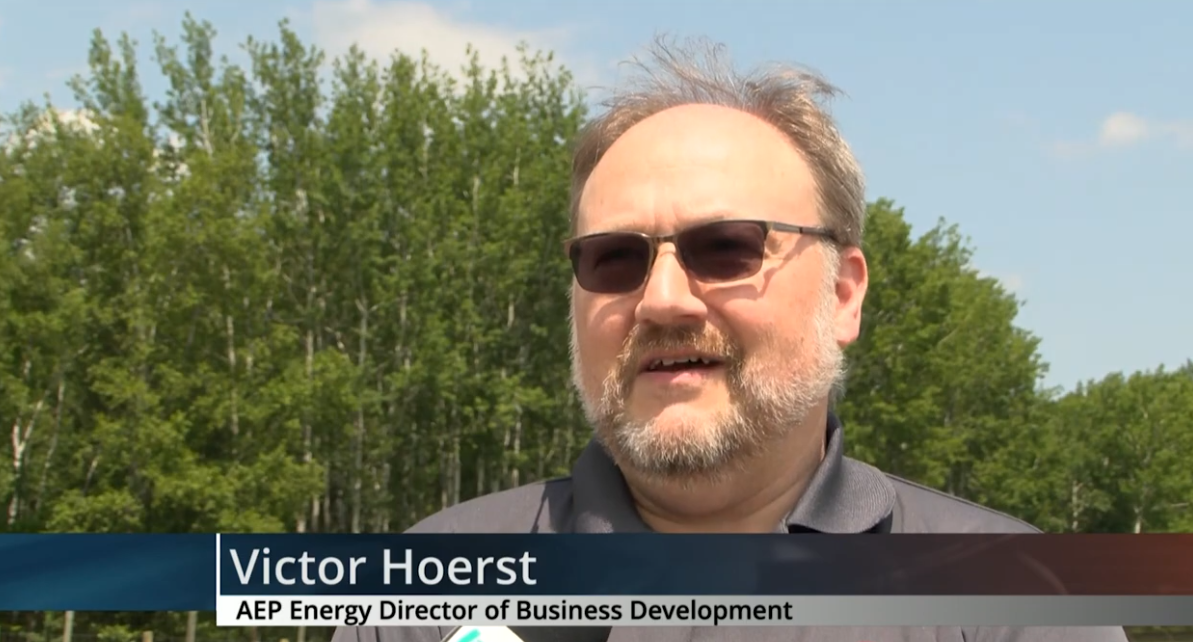
Victor Hoerst, Director of Business Development at OnSite Partners, explains that the company supports municipal utilities and other public power entities through an “energy-as-a-service” approach that reduces both financial and operational burdens.
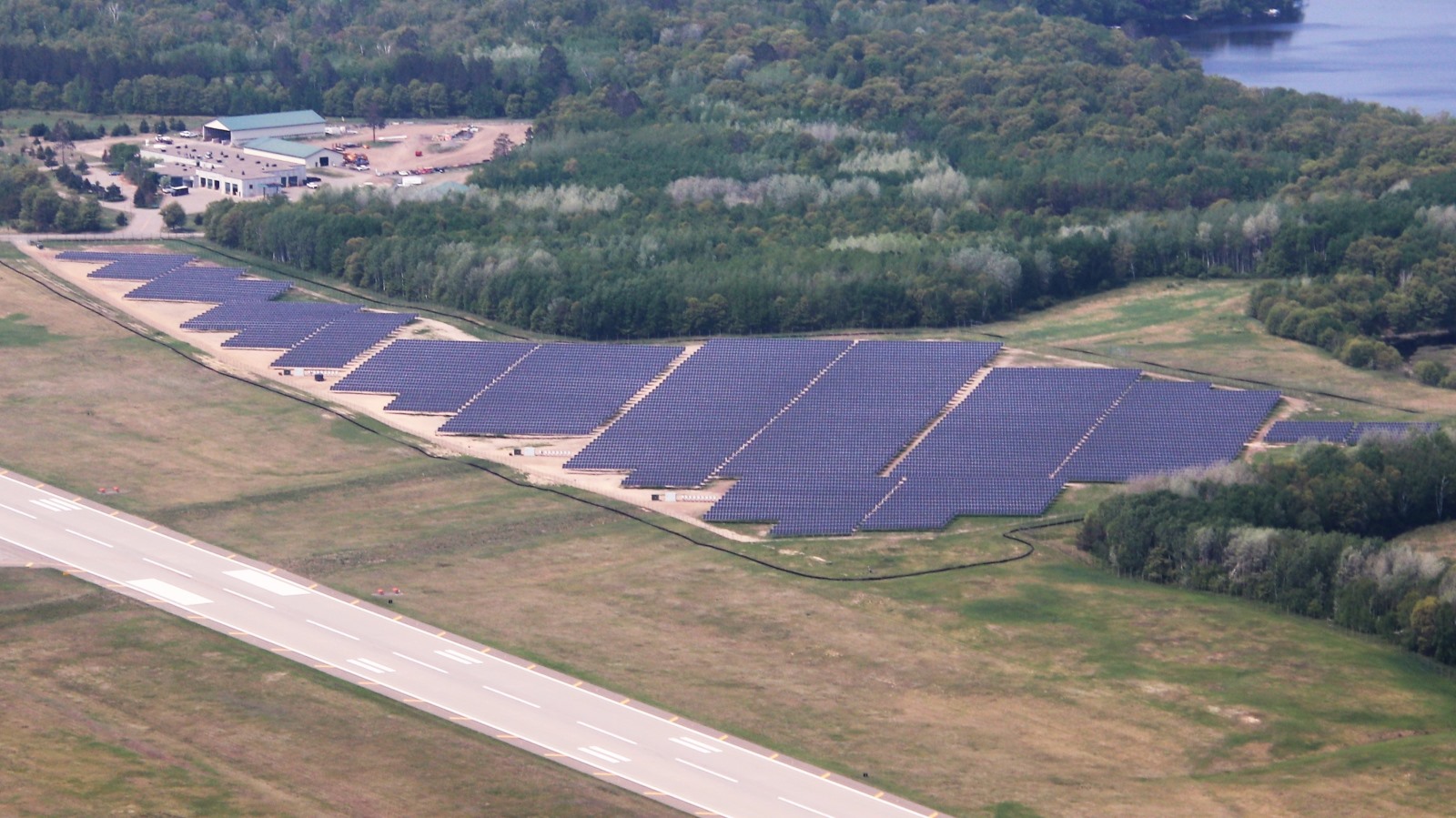
Utilities solar array opening in 2023.
Hoerst has spent decades in project development and has focused on helping customers deploy energy assets with OnSite Partners for more than four years.
OnSite Partners specializes in owning, operating, and maintaining energy assets, such as solar arrays, wind turbines, generators, and battery systems for their clients. Instead of requiring a municipality to buy and manage the equipment outright, OnSite designs the system, installs and commissions it, covers the initial costs of equipment and construction, and manages ongoing maintenance and service.
In return, the customer pays for the service and energy output, not the asset itself.
For municipal utilities, which make up a significant portion of OnSite’s customer base and already “wear eight or nine hats,” this model reduces both capital requirements and administrative load. Hoerst says OnSite works well with municipalities. ”We really understand how the energy assets play with and have an impact on the wholesale energy demands for a municipality.”
Historically connected to AEP Energy, a wholesale electricity provider, OnSite developed extensive expertise in integrating distributed energy resources into municipal wholesale power contracts. That experience now serves as a key differentiator, even though the company was divested from AEP Energy about a year and a half ago.
Adding assets such as solar arrays or wind turbines doesn’t just change a utility's electricity generation methods; it also influences its approach to purchasing power in the wholesale market. Many municipal utilities seek partners capable of supplying these assets and managing the associated complexities. OnSite is ready to assist with both.
One example familiar to MMUA members is OnSite’s work in Brainerd, Minnesota, where the company developed solar arrays for the municipal utility.
“We have a solar array in Brainerd, Minnesota. We install solar arrays, manage them, maintain them, and then sell the electricity that is generated to the utility. All they see is a monthly bill, and we transfer [the renewable energy credits] to them as well.”
Through this arrangement, Brainerd avoided the upfront capital expense of building the solar projects, handed over operations and maintenance to OnSite, received both energy and renewable energy credits (RECs), and gained carbon-free electricity without adding internal workload.
While some renewable energy incentives are declining, Hoerst notes that uncertainty in energy prices and availability is pushing more municipalities to consider behind-the-meter solutions.
Solar arrays can lock in a portion of a utility’s power costs over a 25–30 year lifespan. Generators and batteries can help avoid extreme price spikes and support reliability. These assets can reduce wholesale price volatility and strengthen local resilience.
For MMUA members, OnSite Partners positions itself as a long-term partner rather than just a project developer. Its goal is to help municipal utilities deploy energy assets that provide cost stability, operational simplicity, and resilience.
“The main thing is, we’re here to help the municipalities. A lot of times, coming up with all of the capital up front can be challenging for a municipality. So having a partner to provide that capital is a big help,” says Hoerst.